In proprietary trading, skill and strategy matter but infrastructure often makes the difference between consistent performance and costly mistakes. While retail traders can sometimes get by with basic brokerage platforms, prop traders operate in a more demanding environment. Faster execution, deeper analytics, strict risk controls, and seamless connectivity are not luxuriesthey are necessities.
Behind every successful prop trader is a stack of tools, platforms, and technology that supports decision-making, risk management, and execution. Whether trading equities, futures, forex, or crypto, the right infrastructure can improve precision, reduce slippage, and streamline operations.
This guide explores the core tools and platforms used in modern prop trading, how they work together, and what aspiring traders should look for when evaluating their own trading environment.
- What Is Prop Trading Infrastructure?
- Trading Platforms Used by Prop Firms
- Equity Trading Platforms
- Futures Trading Platforms
- Forex and Crypto Platforms
- Direct Market Access (DMA) and Order Routing
- What Is DMA?
- Smart Order Routing
- Data Feeds and Market Analytics
- Real-Time Data Feeds
- Advanced Charting Tools
- Quantitative and Backtesting Tools
- Risk Management Systems
- Pre-Trade Risk Controls
- Real-Time Monitoring
- Automated Kill Switches
- Hardware and Connectivity
- Trading Workstations
- Internet Reliability
- Co-Location and Server Infrastructure
- Automation, APIs, and Algorithmic Trading
- API Integration
- Algorithmic Strategies
- Performance Tracking and Journaling Software
- Trade Journaling Platforms
- Analytics Dashboards
- Communication and Collaboration Tools
- Security and Compliance Technology
- Cloud-Based vs. Local Infrastructure
- Cloud-Based Systems
- Local Installations
- Choosing the Right Tools as an Aspiring Prop Trader
- The Human Factor: Tools Don’t Replace Discipline
- Key Takeaways
- FAQ
- What trading platforms do prop firms typically use?
- Why is direct market access important in prop trading?
- Do I need expensive hardware to become a prop trader?
- Can prop traders use automated or algorithmic strategies?
- Is cloud-based trading infrastructure better than local systems?
What Is Prop Trading Infrastructure?
Prop trading infrastructure refers to the ecosystem of software, hardware, and connectivity that enables traders to operate efficiently in financial markets using firm capital.
Unlike retail traders who rely solely on standard brokerage platforms, proprietary trading firms often provide:
- Institutional-grade trading platforms
- Advanced charting and analytics tools
- Direct market access (DMA)
- Risk management systems
- Performance tracking software
- Low-latency connectivity
The goal is simple: reduce friction and maximize execution quality.
In fast-moving markets, even milliseconds can matter. More importantly, consistent access to reliable data and disciplined risk monitoring protects both the trader and the firm.
Trading Platforms Used by Prop Firms
The trading platform is the trader’s cockpit. It’s where analysis, execution, and risk monitoring converge. While platforms differ depending on asset class, most prop firms rely on professional-grade systems.
Equity Trading Platforms
For equities, many prop firms use platforms designed for speed and order routing flexibility. Common examples in the industry include:
- Direct market access platforms
- Order routing systems with smart routing technology
- Custom in-house execution software
These platforms allow traders to:
- Route orders to specific exchanges or ECNs
- Access Level II data
- Monitor time and sales in real time
- Execute hotkey-based trades for rapid entry and exit
For short-term traders and scalpers, hotkeys can shave seconds off execution time, which can materially impact profitability over hundreds of trades.
Futures Trading Platforms
Futures prop traders often rely on platforms optimized for depth-of-market visualization and rapid order entry. These platforms typically feature:
- DOM (Depth of Market) ladders
- Advanced order types (OCO, bracket orders)
- Integrated risk parameters
- Tick-by-tick data feeds
Futures trading demands precise order placement, especially in volatile contracts like ES, NQ, or CL. A responsive DOM interface becomes essential for managing entries and exits under pressure.
Forex and Crypto Platforms
In forex and crypto prop environments, platforms emphasize:
- Multi-asset integration
- Automated strategy support
- API connectivity
- 24/7 uptime reliability
Since these markets trade nearly around the clock, infrastructure stability becomes a key differentiator. Platform downtime during volatile sessions can be devastating.
Direct Market Access (DMA) and Order Routing
One of the defining differences between prop trading and retail trading is access to direct market access.
What Is DMA?
Direct Market Access allows traders to place orders directly on an exchange’s order book without going through a dealing desk. This offers:
- Greater transparency
- Faster execution
- Reduced spreads
- Control over routing decisions
Retail brokers often internalize orders or route them through limited liquidity providers. Prop firms, by contrast, may provide multiple routing options, allowing traders to optimize for rebates, speed, or liquidity access.
Smart Order Routing
Modern platforms often include smart order routing algorithms that automatically select the best available venue based on price, liquidity, and execution probability.
This becomes particularly valuable in fragmented markets like U.S. equities, where liquidity is distributed across multiple exchanges and dark pools.
Data Feeds and Market Analytics
In trading, decisions are only as good as the data behind them.
Real-Time Data Feeds
Professional traders rely on high-quality data feeds that provide:
- Real-time quotes
- Level II order book data
- Time and sales (tape)
- Historical tick data
Low-latency data reduces the risk of reacting to outdated price information. Even slight delays can lead to missed fills or slippage.
Advanced Charting Tools
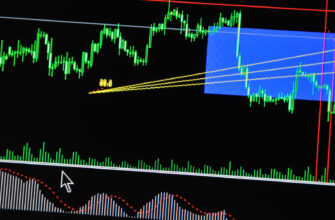
Charting software is central to discretionary trading. Professional-grade tools offer:
- Customizable indicators
- Multi-timeframe layouts
- Volume profile analysis
- VWAP and anchored VWAP tools
- Footprint charts
For example, a day trader might use a footprint chart to assess aggressive buying at support, while a swing trader focuses on anchored VWAP levels for trend confirmation.
Quantitative and Backtesting Tools
Some prop traders particularly systematic traders use quantitative tools to:
- Backtest strategies
- Run simulations
- Optimize parameters
- Conduct statistical analysis
Platforms that support scripting languages or API integration enable traders to test ideas before risking capital. While not all prop traders are quants, data-driven validation increasingly plays a role in strategy development.
Risk Management Systems
Risk management is at the heart of proprietary trading. Firms are not just concerned with profitability they are concerned with capital preservation.
Pre-Trade Risk Controls
Most prop firms implement pre-trade risk checks, including:
- Maximum position size limits
- Daily loss limits
- Max drawdown thresholds
- Leverage caps
These limits may be embedded directly into the trading platform, preventing traders from placing orders that exceed predefined risk parameters.
Real-Time Monitoring
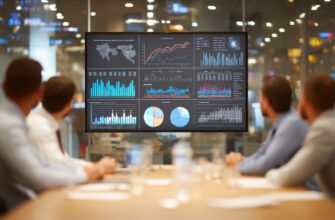
Risk dashboards allow both traders and risk managers to monitor:
- Realized and unrealized P&L
- Exposure by asset class
- Correlated positions
- Margin utilization
For traders, this provides instant feedback. For firms, it ensures compliance with internal risk frameworks.
Automated Kill Switches
Some systems include automatic “kill switches” that lock trading if a loss threshold is breached. While frustrating in the moment, these mechanisms prevent emotional spirals and catastrophic losses.
Hardware and Connectivity
Software gets most of the attention, but hardware and internet infrastructure are equally important.
Trading Workstations
Professional traders typically use:
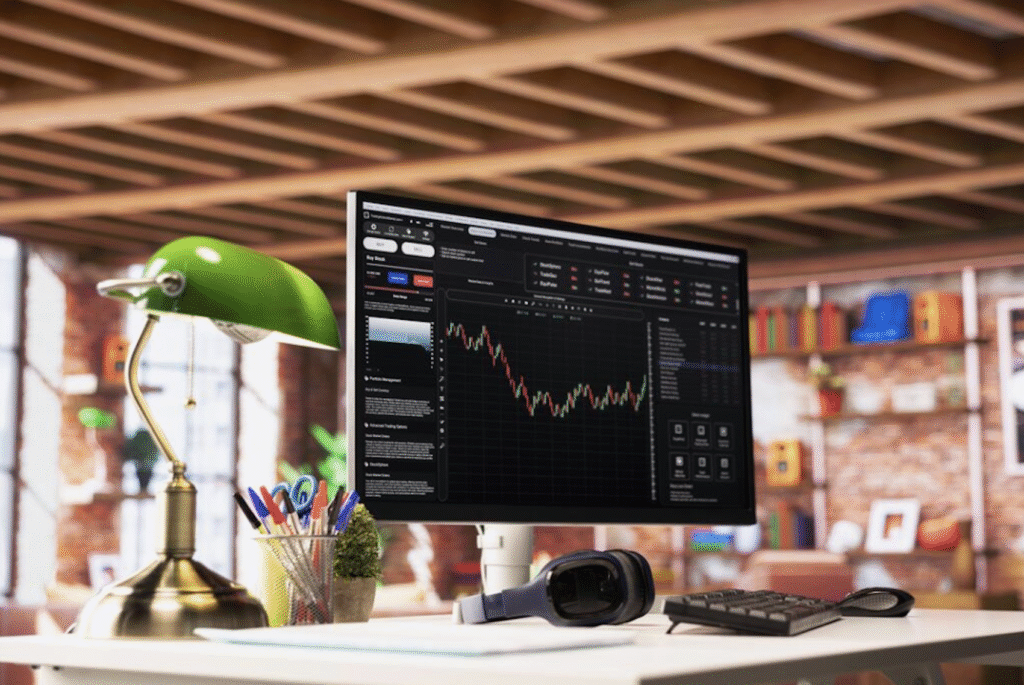
- Multi-monitor setups
- High-performance CPUs
- Solid-state drives (SSDs)
- Backup power supplies
Multiple monitors allow traders to track charts, news feeds, DOM ladders, and risk dashboards simultaneously. For active day traders, this spatial awareness improves decision speed.
Internet Reliability
Stable, low-latency internet connections are critical. Many serious traders invest in:
- Fiber-optic connections
- Redundant internet providers
- Mobile hotspot backups
A brief connectivity outage during a volatile market move can result in unmanaged exposure.
Co-Location and Server Infrastructure
At more advanced levels especially for algorithmic prop trading firms may use co-located servers near exchange data centers. This reduces latency dramatically and enhances execution speed.
While retail traders rarely access co-location services, they are common in high-frequency trading environments.
Automation, APIs, and Algorithmic Trading
Technology has transformed prop trading in recent years. Automation is no longer limited to hedge funds.
API Integration
Application Programming Interfaces (APIs) allow traders to connect custom software to execution systems. With APIs, traders can:
- Automate order entry
- Build proprietary indicators
- Stream real-time data into external tools
- Integrate risk management logic
This flexibility is particularly valuable for semi-systematic traders who combine discretionary judgment with automated execution.
Algorithmic Strategies
Some prop firms specialize in algorithmic trading, where strategies are fully coded and executed automatically.
These systems may:
- React to order book imbalances
- Exploit statistical arbitrage opportunities
- Trade news events
- Capture microstructure inefficiencies
However, building robust algorithms requires technical expertise and extensive testing. Infrastructure stability becomes even more important when machines are trading without human intervention.
Performance Tracking and Journaling Software
Execution is only half the battle. Continuous improvement requires performance analysis.
Trade Journaling Platforms
Professional prop traders often use specialized journaling tools that track:
- Entry and exit data
- Setup type
- Risk-reward ratio
- Win rate by strategy
- Emotional notes
Over time, patterns emerge. A trader might discover that performance drops during certain market conditions or that specific setups consistently outperform others.
Analytics Dashboards
Advanced performance dashboards allow traders to evaluate:
- Sharpe ratio
- Profit factor
- Average hold time
- Drawdown cycles
- Expectancy
This data-driven feedback loop transforms trading from guesswork into a measurable process.
Communication and Collaboration Tools
In office-based prop firms, trading is rarely a solo activity.
Traders may use:
- Internal chat systems
- Voice communication tools
- Shared market dashboards
- Real-time idea sharing channels
Even in remote prop environments, collaboration tools help traders stay aligned with firm risk managers and mentors.
In fast-moving markets, a quick message about unusual order flow or breaking news can provide valuable context.
Security and Compliance Technology
Security often goes unnoticed until something goes wrong.
Prop firms implement safeguards such as:
- Encrypted data connections
- Two-factor authentication
- Restricted access controls
- Trade surveillance systems
These systems protect intellectual property, capital, and client data where applicable.
Compliance monitoring tools also track trading behavior to prevent rule violations or suspicious activity.
Cloud-Based vs. Local Infrastructure
Modern prop firms increasingly use cloud-based infrastructure for flexibility and scalability.
Cloud-Based Systems
Advantages include:
- Remote accessibility
- Automatic updates
- Scalable data storage
- Reduced hardware dependency
This model is particularly useful for global teams.
Local Installations
Some traders prefer local installations for:
- Reduced latency
- Full system control
- Custom configurations
The best solution often depends on trading style. High-frequency strategies benefit from minimal latency, while discretionary swing traders may prioritize flexibility and remote access.
Choosing the Right Tools as an Aspiring Prop Trader
Not every trader needs institutional-level infrastructure from day one. However, understanding what professional environments look like helps set realistic expectations.
When evaluating tools and platforms, consider:
- Execution speed and reliability
- Data quality
- Risk management integration
- Customization options
- Cost structure
For example, a trader focused on short-term futures scalping should prioritize DOM efficiency and fast order entry. A systematic trader, by contrast, should focus on API access and backtesting capabilities.
The key is alignment between strategy and technology.
The Human Factor: Tools Don’t Replace Discipline
It’s tempting to believe that better technology guarantees better results. In reality, tools amplify both strengths and weaknesses.
Fast execution can improve profitability but it can also accelerate losses if risk discipline is lacking. Advanced analytics can highlight performance patterns but they cannot enforce emotional control.
Prop trading technology is best viewed as a force multiplier. In capable hands, it enhances precision and consistency. Without discipline, it merely increases the speed of mistakes.
Key Takeaways
Tools, platforms, and technology form the backbone of modern proprietary trading. From direct market access and advanced charting software to real-time risk monitoring and performance analytics, infrastructure directly impacts execution quality and capital preservation.
Professional prop firms invest heavily in low-latency connectivity, institutional-grade platforms, and robust risk systems to protect both traders and firm capital. At the same time, the most sophisticated technology cannot compensate for poor discipline or flawed strategy.
For aspiring prop traders, understanding how these systems work and how they align with specific trading styles is a critical step toward operating at a professional level.
FAQ
What trading platforms do prop firms typically use?
Prop firms use professional-grade platforms that offer direct market access, advanced order routing, Level II data, and integrated risk controls. The exact platform depends on the asset class—equities, futures, forex, or crypto.
Why is direct market access important in prop trading?
Direct market access allows traders to place orders directly on exchange order books, improving execution speed, transparency, and routing control compared to standard retail brokerage systems.
Do I need expensive hardware to become a prop trader?
Not necessarily. While multi-monitor setups and reliable internet connections are helpful, beginners can start with solid mid-range hardware. As trading frequency and capital increase, infrastructure upgrades become more valuable.
Can prop traders use automated or algorithmic strategies?
Yes. Many prop traders use APIs and automated systems to execute strategies. Some firms specialize in algorithmic trading, though building reliable algorithms requires technical expertise and extensive testing.
Is cloud-based trading infrastructure better than local systems?
It depends on trading style. Cloud systems offer flexibility and scalability, while local setups may provide lower latency and greater control. The right choice aligns with strategy and execution requirements.