Choosing the right trading platform is one of the most critical decisions for anyone interested in financial markets. Whether you’re a novice exploring trading for the first time or an experienced trader looking to optimize your workflow, the platform you select can profoundly impact your success. Trading platforms are not merely tools they are gateways to market opportunities, and the wrong choice can lead to frustration, inefficiency, and even financial losses.
This guide provides a comprehensive framework for evaluating trading platforms without relying on brand names, focusing instead on functionality, usability, security, and cost-efficiency. By the end, you’ll understand how to assess platforms in a systematic, objective way and select the one that fits your trading style.

- Understanding What a Trading Platform Does
- Step 1: Identify Your Trading Needs
- Determine Your Market Focus
- Assess Your Trading Style
- Consider Your Experience Level
- Step 2: Evaluate Platform Usability
- User Interface and Navigation
- Learning Curve and Educational Support
- Step 3: Examine Trading Tools and Features
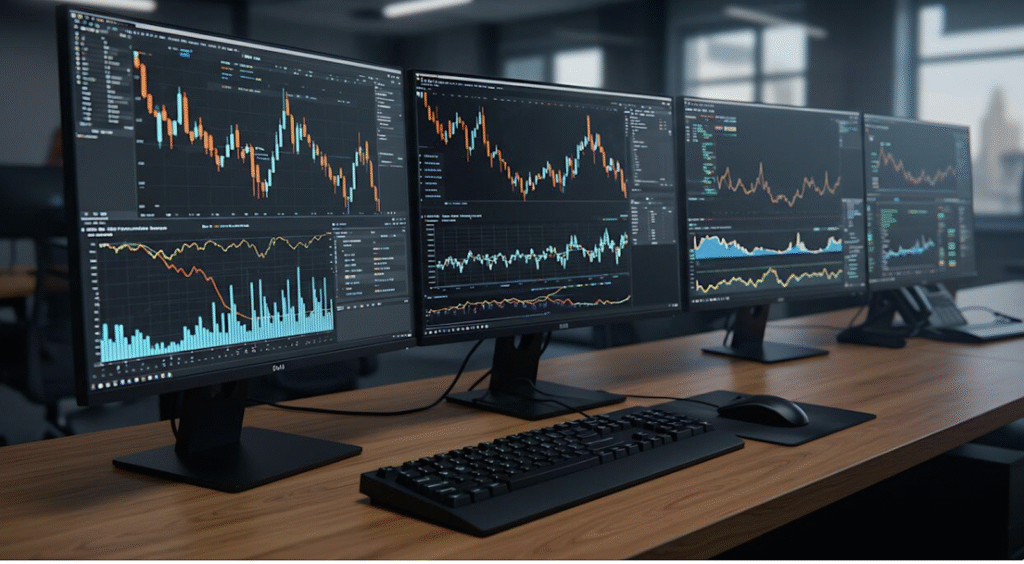
- Charting and Technical Analysis
- Order Types and Execution Options
- Risk Management Tools
- Automation and API Access
- Step 4: Consider Costs and Fees
- Step 5: Security and Regulatory Compliance
- Step 6: Test the Platform with a Demo Account
- Step 7: Evaluate Customer Support and Community
- Step 8: Prioritize Flexibility and Scalability
- Step 9: Compare Multiple Platforms Objectively
- Step 10: Make the Decision and Monitor Performance
- Key Takeaways
- FAQ
Understanding What a Trading Platform Does
Before diving into features and comparisons, it’s important to clarify what a trading platform actually does. At its core, a trading platform is software that allows you to access financial markets, execute trades, and manage your investment portfolio. However, platforms vary significantly in terms of complexity, tools, and market coverage.
Some of the core functions include:
- Market Access: A platform serves as a bridge to markets such as stocks, forex, cryptocurrencies, or derivatives. The breadth of market access depends on the platform’s integrations with exchanges and liquidity providers.
- Order Execution: Platforms handle the mechanics of placing trades, including order types (market, limit, stop-loss) and speed of execution. Fast and reliable execution is critical for active traders.
- Data Analysis Tools: Charts, technical indicators, and analytical tools help traders make informed decisions. The depth and sophistication of these tools differ across platforms.
- Portfolio Management: Beyond executing trades, a platform can track holdings, profits, losses, and risk metrics, giving you a comprehensive view of your financial position.
Understanding these functions helps clarify what features are essential versus optional, depending on your trading style.
Step 1: Identify Your Trading Needs
The first step in choosing a platform is evaluating your own trading needs. Every trader has unique goals, risk tolerance, and preferred trading frequency. Here’s how to approach this:
Determine Your Market Focus
- Stocks and ETFs: If you plan to trade equities, ensure the platform supports your local or international stock exchanges and provides real-time market data.
- Forex: Forex trading requires platforms with tight spreads, fast execution, and access to currency pairs.
- Options and Derivatives: Derivative traders often need advanced charting, option chains, and risk analysis tools.
- Cryptocurrencies: Crypto markets are open 24/7, so platforms should support continuous trading, wallet integration, and security features tailored for digital assets.
Assess Your Trading Style
- Day Trading: If you aim to capitalize on short-term price movements, prioritize speed, reliability, and advanced order types.
- Swing Trading: Medium-term traders need robust charting, technical indicators, and historical data.
- Long-Term Investing: Investors focusing on multi-month or multi-year horizons might prioritize portfolio management, research tools, and educational resources over instant execution.
Consider Your Experience Level
Beginners benefit from platforms with intuitive interfaces, educational resources, and customer support. Experienced traders may prefer platforms with advanced features, custom scripts, or automated trading capabilities.
Step 2: Evaluate Platform Usability
Even the most feature-rich platform can become a hindrance if it is difficult to use. Usability encompasses interface design, learning curve, and accessibility.
User Interface and Navigation
A clean, intuitive interface reduces the chances of errors during trading. Look for:
- Dashboard Customization: Can you organize charts, order forms, and watchlists in a way that suits your workflow?
- Ease of Order Placement: A complex order system may lead to costly mistakes. Ensure order entry is straightforward.
- Multi-Device Support: Platforms that work seamlessly on desktop, web, and mobile allow you to trade from anywhere.
Learning Curve and Educational Support
Some platforms are designed for professional traders and come with steep learning curves. Others are beginner-friendly with guided tutorials, demo accounts, and risk-free simulations. Using a demo account before committing real capital is highly recommended.
Step 3: Examine Trading Tools and Features
A key differentiator between platforms is the set of trading tools offered. Evaluate the following:
Charting and Technical Analysis
For active traders, robust charting capabilities are essential. Look for platforms that allow:
- Multiple chart types (candlestick, line, Heikin-Ashi, etc.)
- A wide array of technical indicators and overlays
- Customizable chart layouts and templates
Order Types and Execution Options
Advanced order types such as stop-limit, trailing stops, and bracket orders help manage risk effectively. Also, consider:
- Speed of Execution: Platforms with minimal latency reduce slippage.
- Partial Fills: Check if large orders can be partially executed without cancellation.
Risk Management Tools
Risk management features, like margin alerts, automatic stop-losses, and position sizing calculators, are crucial, especially for leveraged trading.
Automation and API Access
Some platforms allow algorithmic trading through scripts or APIs. If you plan to use trading bots or automated strategies, ensure the platform supports this.
Step 4: Consider Costs and Fees
Trading costs vary widely between platforms and can significantly impact long-term profitability. Key cost factors include:
- Commissions: Some platforms charge per trade, while others offer commission-free trading.
- Spreads: The difference between the buy and sell price is especially critical in forex and cryptocurrency markets.
- Overnight Fees and Margin Costs: Traders using leverage need to factor in interest rates and overnight holding fees.
- Withdrawal and Deposit Fees: Hidden costs can reduce the overall efficiency of your trading.
A platform with low fees may seem appealing, but it’s important to balance cost with features and reliability.
Step 5: Security and Regulatory Compliance
Security is non-negotiable when dealing with financial assets. While you don’t need to memorize regulations, there are key indicators of a secure platform:
- Regulatory Oversight: Platforms regulated by recognized authorities provide additional investor protection.
- Encryption and Authentication: Look for two-factor authentication, SSL encryption, and account activity monitoring.
- Segregated Accounts: Your funds should be stored separately from the platform’s operational funds, reducing risk in case of insolvency.
Trustworthiness is just as critical as functionality. A secure, reliable platform prevents both cyber threats and operational mishaps.
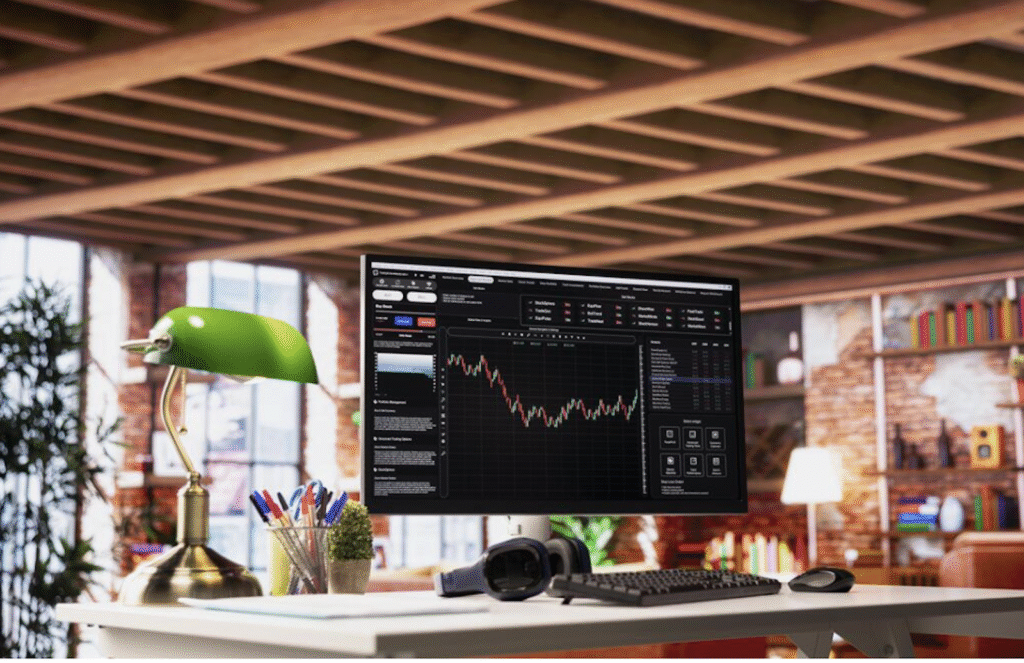
Step 6: Test the Platform with a Demo Account
A demo account is an invaluable tool that allows you to:
- Practice trading without risking real money
- Explore all available tools and features
- Test execution speed and platform stability
Use this period to simulate different trading strategies, monitor interface responsiveness, and assess how well the platform fits your workflow. A platform that feels cumbersome during demo testing will only be more frustrating under real market pressure.
Step 7: Evaluate Customer Support and Community
Even the most well-designed platform can have occasional technical issues. Reliable customer support ensures you can resolve problems quickly. Consider:
- Support Channels: Live chat, phone support, email response time
- Availability: 24/7 support is crucial for global markets
- Community Resources: Forums, webinars, and tutorials provide valuable peer guidance
A strong support ecosystem enhances confidence and reduces stress during active trading.
Step 8: Prioritize Flexibility and Scalability
Your trading needs may evolve over time, so choose a platform that grows with you. Consider:
- Adding new asset classes without switching platforms
- Advanced features becoming available as your skills develop
- Integration with external tools like financial news feeds, data APIs, or analytics platforms
A flexible platform saves you the hassle of migrating accounts and retraining when your trading style changes.
Step 9: Compare Multiple Platforms Objectively
Once you have a shortlist of platforms that meet your needs, create a comparison matrix. Evaluate each option based on:
| Feature | Platform A | Platform B | Platform C |
|---|---|---|---|
| Market Access | |||
| Order Types | |||
| Fees | |||
| Usability | |||
| Security | |||
| Customer Support |
This approach removes emotional bias and helps make a data-driven decision.
Step 10: Make the Decision and Monitor Performance
After selecting a platform, start small and scale gradually. Continuously monitor:
- Execution speed and reliability
- Fees impact on profitability
- Tool effectiveness for analysis and risk management
Even the best platform may require adjustments in settings, layouts, or tools to fully match your workflow.
Key Takeaways
Choosing a trading platform is more than picking a popular brand—it’s about matching the platform to your trading goals, experience level, and workflow. Key points to remember:
- Identify your markets, style, and experience level before evaluating platforms.
- Prioritize usability, speed, and reliability over flashy features.
- Evaluate fees, security, and regulatory compliance carefully.
- Use demo accounts to test functionality before committing real capital.
- Consider support, flexibility, and scalability to future-proof your choice.
- Compare platforms objectively using a structured framework.
A well-chosen platform becomes a strategic partner, enhancing your ability to execute trades efficiently and manage risk effectively.
FAQ
1. How important is speed in a trading platform?
Speed is critical, especially for day traders or scalpers. Slow execution can lead to slippage and missed opportunities.2. Can I switch platforms easily if my first choice doesn’t work?
Technically yes, but switching platforms may involve learning new interfaces and transferring funds, so test thoroughly with a demo first.3. Should I prioritize fees over features?
Not necessarily. Low fees are important, but they should be balanced with reliability, tools, and security.4. Is a mobile trading app sufficient for active traders?
Mobile apps are convenient for monitoring, but desktop platforms often offer more robust tools for active trading.5. How can I ensure my funds are safe on a trading platform?
Check for regulatory oversight, segregated accounts, encryption, and two-factor authentication to protect your assets.