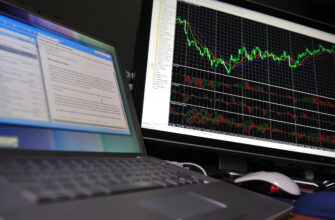
Prop trading firms attract traders with one simple promise: access to significantly larger capital than you could reasonably deploy on your own. But once the evaluation rules are clear, the next logical question always comes up — what exactly can you trade inside a prop firm account? The short answer is: a lot — but not everything, and not always under the same conditions.
Different proprietary trading firms offer access to different markets, asset classes, and instruments. Some focus almost entirely on Forex, others expand into indices, commodities, crypto, or even equities. Understanding these differences is critical, because the instruments you trade directly affect your strategy, risk profile, and probability of passing a funded challenge.
This guide breaks down all major tradable instruments in prop firms, explains how they work in practice, and highlights the limitations most traders only discover after failing their first evaluation.

- Forex (FX): The Core Market of Prop Trading
- Stock Indices: Volatility With Structure
- Commodities: Gold, Oil, and More
- Cryptocurrencies: High Risk, Selective Access
- Equities (Stocks): Limited but Growing Access
- Futures: Rare but Professional-Focused
- Bonds and Interest Rate Instruments
- Trading Restrictions That Matter More Than Instruments
- Choosing Instruments Based on Your Trading Style
- Key Takeaways
- FAQ
Forex (FX): The Core Market of Prop Trading
Foreign exchange remains the backbone of the prop trading industry. Nearly every retail-oriented prop firm offers Forex trading, and for good reason: liquidity is deep, spreads are tight, and markets operate 24 hours a day during the week.
Most firms provide access to major currency pairs such as EUR/USD, GBP/USD, USD/JPY, and USD/CHF. These pairs typically have the lowest spreads and are favored for both scalping and swing trading strategies. In addition, minor pairs like EUR/GBP or AUD/JPY are commonly available, although spreads may widen slightly.
Some firms also allow exotic pairs, such as USD/ZAR or EUR/TRY. However, these instruments often come with higher margin requirements, wider spreads, and trading restrictions during volatile sessions. For new traders, exotics can quickly push drawdown limits if risk management isn’t precise.
Forex trading inside prop firms usually supports:
- Intraday trading
- Swing trading
- News trading (with restrictions)
- Algorithmic trading (depending on platform rules)
Because Forex markets are highly standardized, this asset class is generally the safest starting point for passing evaluations.
Stock Indices: Volatility With Structure
Stock indices are another cornerstone of prop firm offerings. They allow traders to speculate on the performance of entire stock markets rather than individual companies.
The most common indices offered include:
- S&P 500 (US500)
- Nasdaq 100 (US100)
- Dow Jones Industrial Average (US30)
- DAX 40 (Germany)
- FTSE 100 (UK)
- Nikkei 225 (Japan)
Indices are popular because they combine strong liquidity with predictable session-based volatility. For example, the US indices tend to move most aggressively during the New York session, especially around macroeconomic releases.
That said, indices often have higher point values, meaning price moves translate into larger P&L swings. A five-point move on US30 can have a dramatically different impact compared to a five-pip move in EUR/USD. Prop firms account for this by adjusting lot sizes and margin requirements.
Indices are particularly well-suited for:
- Day trading
- Breakout strategies
- News-driven momentum trading
However, overnight holding costs and swap fees can be significant, so swing traders need to account for these factors.
Commodities: Gold, Oil, and More
Commodities are widely available in prop trading environments, with gold (XAU/USD) being the undisputed favorite among traders.
Gold offers:
- High liquidity
- Strong reaction to macroeconomic news
- Clear technical behavior during active sessions
Because of its volatility, gold can be both an opportunity and a trap. Many traders fail challenges by overleveraging gold positions during news events like CPI or FOMC announcements.
Beyond gold, most prop firms also offer:
- Silver (XAG/USD)
- Crude Oil (WTI and Brent)
- Natural Gas
Oil markets are heavily influenced by geopolitical developments, OPEC decisions, and inventory reports. This creates sharp, sometimes unpredictable moves — exciting for experienced traders but dangerous for those unfamiliar with the instrument’s behavior.
Commodity trading in prop firms often comes with reduced leverage compared to Forex, which limits exposure but also requires careful position sizing.
Cryptocurrencies: High Risk, Selective Access
Crypto trading availability varies significantly from one prop firm to another. Some firms embrace crypto markets, while others limit or exclude them entirely due to volatility and liquidity concerns.
When crypto is offered, the most common instruments include:
- Bitcoin (BTC/USD)
- Ethereum (ETH/USD)
- Occasionally Litecoin or Ripple
Unlike spot crypto exchanges, prop firms typically provide CFD-based crypto trading, meaning you don’t own the underlying asset. Trading hours may be restricted, and spreads can widen dramatically during off-peak periods.
Another important consideration is risk management. Crypto’s volatility can trigger daily loss limits within minutes if positions are oversized. As a result, many prop firms impose:
- Lower leverage on crypto
- Reduced maximum position sizes
- Trading hour restrictions
Crypto trading may suit experienced traders with a well-tested strategy, but it’s rarely ideal for passing an evaluation phase.
Equities (Stocks): Limited but Growing Access
Individual stock trading is less common in retail-focused prop firms, but availability has been gradually expanding.
When offered, stock trading usually includes:
- Large-cap US equities (Apple, Microsoft, Amazon, Tesla)
- Occasionally major European stocks
Stocks are typically traded as CFDs, not actual shares. This means no voting rights or dividends, but easier access with lower capital requirements.
Compared to Forex or indices, stock trading in prop firms comes with more restrictions:
- Limited trading hours tied to exchange sessions
- Wider spreads
- Higher commission structures
Stocks can be useful for traders specializing in earnings plays or technical setups around key levels, but they are not the primary focus of most prop firm evaluations.
Futures: Rare but Professional-Focused
Some prop firms — particularly those aligned with institutional-style trading — offer access to futures markets. This includes contracts on indices, commodities, and interest rates.
Futures trading differs significantly from CFD-based trading:
- Centralized exchanges
- Transparent order books
- Fixed contract sizes
Because of the complexity and regulatory environment, futures are typically offered only by specialized prop firms that cater to experienced traders. Margin requirements are strict, and risk management rules are often enforced in real time.
For traders accustomed to CME products like ES, NQ, or CL, futures-based prop firms can offer a more authentic professional trading experience.
Bonds and Interest Rate Instruments
Retail prop firms rarely offer direct access to bonds or interest rate derivatives. However, exposure may exist indirectly through:
- Bond CFDs
- Treasury yield instruments
- Interest rate futures (in advanced setups)
These instruments are usually targeted at macro traders with a deep understanding of monetary policy, yield curves, and economic cycles.
For most traders, bonds are not a core prop trading instrument, but they can be valuable diversification tools in specialized environments.
Trading Restrictions That Matter More Than Instruments
While the list of tradable instruments is important, how you’re allowed to trade them matters even more.
Most prop firms impose rules such as:
- Maximum lot size per trade
- Daily and overall drawdown limits
- News trading restrictions
- Weekend holding limitations
For example, you may be allowed to trade gold, but not during high-impact news events. Or you may trade crypto, but only within specific hours. These nuances often determine whether a strategy is viable inside a prop firm environment.
Always review instrument-specific rules before committing to an evaluation.
Choosing Instruments Based on Your Trading Style
The best instruments for prop trading depend on your strengths as a trader.
Scalpers tend to prefer major Forex pairs and indices with tight spreads. Day traders often gravitate toward indices and gold due to intraday volatility. Swing traders may find Forex pairs and certain commodities more forgiving when managing drawdowns.
Trying to trade every available instrument is rarely effective. Successful prop traders usually specialize in one or two markets, mastering their behavior under prop firm constraints.
Key Takeaways
- Forex remains the most widely available and beginner-friendly prop trading market
- Indices and commodities offer strong opportunities but require precise risk management
- Crypto trading is available in some prop firms but comes with higher risk and tighter rules
- Stocks and futures are less common but growing in availability
- Instrument rules and trading restrictions matter as much as the assets themselves
- Specialization beats diversification in prop firm environments
Understanding what you can trade — and under what conditions — is a foundational step toward long-term success in proprietary trading.
FAQ
Do all prop firms offer the same instruments?
No. Each prop firm defines its own list of tradable assets, leverage limits, and restrictions.Is Forex the easiest market to pass a prop firm challenge?
For most traders, yes. Forex offers stable liquidity, predictable behavior, and flexible position sizing.Can beginners trade crypto in prop firms?
They can, but it’s generally not recommended due to volatility and strict drawdown limits.Are stocks worth trading in prop firms?
They can be useful for experienced traders, but limited access and higher costs make them less popular.Can I trade multiple asset classes in one prop firm account?
Usually yes, as long as you follow instrument-specific rules and overall risk limits.