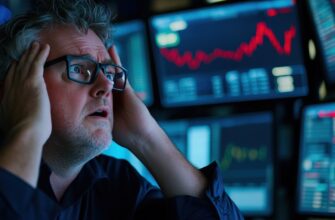
Trading, whether in stocks, commodities, or forex, is as much a psychological challenge as it is a financial one. Most traders know the importance of developing a good strategy and understanding market trends, but what many overlook is the need to manage their emotions. Emotion management plays a vital role in making rational decisions, avoiding impulsive reactions, and ultimately becoming successful in the world of trading.
This article will dive into why emotion management is crucial for traders, explore how emotions can influence trading decisions, and offer practical tips for beginners on how to control and harness their emotional responses to market fluctuations.

- The Psychological Side of Trading: Why Emotion Management Matters
- Understanding Common Emotions in Trading
- 1. Fear
- 2. Greed
- 3. Euphoria (Overconfidence)
- 4. Regret
- How Emotions Affect Your Trading Performance
- How to Manage Emotions While Trading
- 1. Create a Trading Plan and Stick to It
- Example:
- 2. Set Realistic Expectations
- Example:
- 3. Practice Patience
- Example:
- 4. Use Stop-Losses and Take-Profit Orders
- Example:
- 5. Take Breaks and Practice Mindfulness
- 6. Maintain a Trading Journal
- Key Takeaways
- FAQ
The Psychological Side of Trading: Why Emotion Management Matters
Successful traders know that their emotions are just as important as their technical analysis or trading strategy. Fear, greed, anxiety, and euphoria are just a few emotions that can drive decision-making in the markets. When left unchecked, these emotions can lead to poor choices, such as panic selling or overtrading, both of which can quickly deplete a trader’s capital.
In fact, many trading failures are less about a bad strategy and more about bad decision-making driven by uncontrolled emotions. In the heat of the moment, a trader might ignore their risk management rules, hold onto losing positions for too long, or get overly confident after a few wins. This emotional volatility can be costly, which is why learning to manage emotions is one of the most important skills you can develop as a trader.
Understanding Common Emotions in Trading
To start effectively managing emotions, you must first understand which emotions are most likely to affect your trading.
1. Fear
Fear is one of the most common emotions experienced by new traders. It often manifests when a trader is worried about losing money, missing out on a trade, or entering a volatile market. Fear can cause hesitation, missed opportunities, or a quick exit from trades, potentially preventing traders from achieving long-term gains.
2. Greed
On the flip side, greed can cause traders to take excessive risks, over-leverage positions, or hold onto trades for longer than they should. The temptation to chase quick profits can cloud judgment, leading to poor risk management and substantial losses.
3. Euphoria (Overconfidence)
When traders experience a series of wins, they may become overly confident and believe that they are invincible. This euphoria can lead to reckless trading, as traders start taking more risks or disregarding their strategy entirely. Overconfidence can be just as dangerous as fear or greed.
4. Regret
Regret often follows a loss and can make traders second-guess their decisions. While it’s natural to feel regret, dwelling on it can lead to emotional decision-making, such as attempting to “get back” the lost money by making rash trades.
How Emotions Affect Your Trading Performance
When emotions are high, it becomes much harder to stick to a rational plan. Traders who allow emotions to take control often make impulsive decisions. For example:
- Fear can make you exit a profitable trade prematurely.
- Greed can make you hold onto a losing position longer than you should in hopes of a “turnaround.”
- Overconfidence might lead to high-risk trades that put your portfolio in danger.
In these situations, emotions are overriding logic, which is why emotion management becomes essential for protecting your capital and sticking to your strategy.

How to Manage Emotions While Trading
Emotion management is a skill that requires practice, but there are concrete steps you can take as a beginner to stay calm and make rational decisions. Here are some tips to help you control your emotions and improve your trading performance:
1. Create a Trading Plan and Stick to It
One of the most effective ways to reduce emotional decision-making is to have a detailed trading plan in place. A trading plan outlines your strategy, risk tolerance, and specific entry and exit points for each trade. Knowing exactly what you’ll do in different market conditions removes the ambiguity and prevents you from acting impulsively.
Example:
Suppose your trading plan includes a rule to exit a trade if a loss exceeds 5% of your total position. When the market dips and your trade starts to show a loss, following this rule instead of panicking will allow you to stick to your plan and prevent emotional decisions.
2. Set Realistic Expectations
Many beginner traders come into the market with unrealistic expectations of quick profits. This mindset often leads to disappointment, fear of missing out (FOMO), and poor decisions when profits don’t materialize as expected.
To manage emotions, set realistic goals and understand that losses are a part of trading. Embrace the concept of “losses are learning experiences” and avoid placing too much pressure on each individual trade.
Example:
Instead of aiming for huge profits with every trade, aim for steady, consistent growth. Understand that small, incremental gains often lead to greater success in the long run.
3. Practice Patience
Patience is key when it comes to emotion management. It’s tempting to react quickly to every market move, but trading often requires waiting for the right setup. By practicing patience, you can avoid jumping into trades based on impulse or fear.
Example:
If you’re looking for a breakout trade, wait until the price action confirms that the breakout is legitimate, rather than rushing in at the first sign of a move. This reduces the chances of getting caught in false signals or market noise.
4. Use Stop-Losses and Take-Profit Orders
Setting automatic stop-loss and take-profit orders can help remove emotion from your trading decisions. These orders automatically close your positions at pre-set price levels, protecting you from making emotional exits or entries based on fear or greed.
Example:
You buy a stock at $100, and you set a stop-loss at $90 to limit your losses. If the price drops to $90, the position closes, protecting your capital. This allows you to avoid the temptation to hold out in hopes of a market turnaround.
5. Take Breaks and Practice Mindfulness
Sometimes the best way to manage your emotions is to step away from the screen. Constantly watching the markets can elevate stress levels, especially if you’re new to trading. Take regular breaks to clear your mind and reset your emotions.
Mindfulness practices such as deep breathing, meditation, or even going for a walk can help calm your mind, making it easier to return to your trading with a clear and focused perspective.
6. Maintain a Trading Journal
Keeping a trading journal allows you to reflect on your decisions, both the good and the bad. Writing down your thought process before and after each trade helps you identify patterns in your emotional responses and decision-making.
By reviewing your journal regularly, you can spot areas where your emotions have impacted your trades, and you can work on strategies to mitigate these emotional triggers in the future.
Key Takeaways
- Emotions and Trading: Emotions like fear, greed, euphoria, and regret can significantly impact your trading decisions, often leading to losses or missed opportunities.
- Emotion Management: To succeed in trading, it’s essential to manage your emotions by creating a detailed trading plan, setting realistic goals, practicing patience, and using risk management tools like stop-loss orders.
- Mindfulness and Breaks: Taking breaks and practicing mindfulness can help reduce stress and emotional burnout, improving your decision-making abilities in the long run.
- Trading Journal: A trading journal helps track your emotional responses and decisions, allowing you to improve your emotional control over time.
By understanding the psychological aspects of trading and implementing strategies to manage your emotions, you can increase your chances of success and develop a disciplined approach to the markets.
FAQ
1. How do emotions affect my trading decisions?
Emotions like fear and greed can cause you to make impulsive decisions, such as exiting trades too early or holding onto losing positions for too long. Managing these emotions can help you stick to your strategy and reduce mistakes.2. What’s the best way to manage fear in trading?
The best way to manage fear is by having a solid trading plan and following it consistently. Setting stop-loss orders and focusing on long-term goals rather than short-term fluctuations can also reduce fear-based decision-making.3. Is it normal to feel emotional after a loss?
Yes, it’s completely normal to feel emotional after a loss. However, dwelling on it can lead to poor decisions. It’s important to accept losses as part of the trading process and avoid letting them affect your next move.4. How can I avoid overtrading out of greed?
To avoid overtrading, set clear goals and stick to your risk management rules. Having a trading plan that defines when to enter and exit trades can prevent impulsive decisions driven by greed.5. Can mindfulness improve my trading performance?
Yes, mindfulness can help you manage stress and emotions, leading to better decision-making. Practices like meditation, deep breathing, or taking regular breaks can help you stay calm and focused during trading.