
Trading Workflow & Infrastructure
This cluster explains the practical setup and logistics behind modern trading. It covers trading platforms, account types, execution details, spreads, commissions, slippage, overnight rules, and journaling. These articles help beginners understand the technical side of trading operations and create an efficient, professional workflow from day one.

Proprietary trading commonly known as prop trading sits at the intersection of finance, entrepreneurship, and performance-driven compensation.

Proprietary trading often shortened to “prop trading” has evolved far beyond traders clicking buy and sell buttons on a screen. At the advanced level
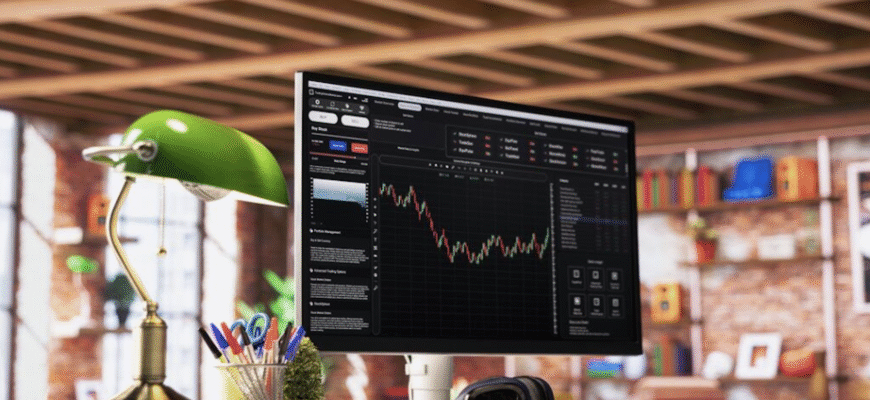
In proprietary trading, skill and strategy matter but infrastructure often makes the difference between consistent performance and costly mistakes.

In prop trading, strategy gets you noticed. Psychology keeps you funded. Thousands of traders pass technical interviews, build solid strategies, and even

In proprietary trading, performance is rarely about finding a “secret” setup or copying someone else’s chart. What separates consistently profitable traders

Journaling is one of those habits that sounds simple but delivers outsized results especially in trading. Professional traders across prop firms, hedge

If you’ve ever traded with a proprietary trading firm or even evaluated one you’ve probably noticed a specific line in the rules: “No overnight positions”

If you ask most new traders why their strategy isn’t profitable, you’ll usually hear the same answers: bad entries, emotional mistakes, or poor risk management.
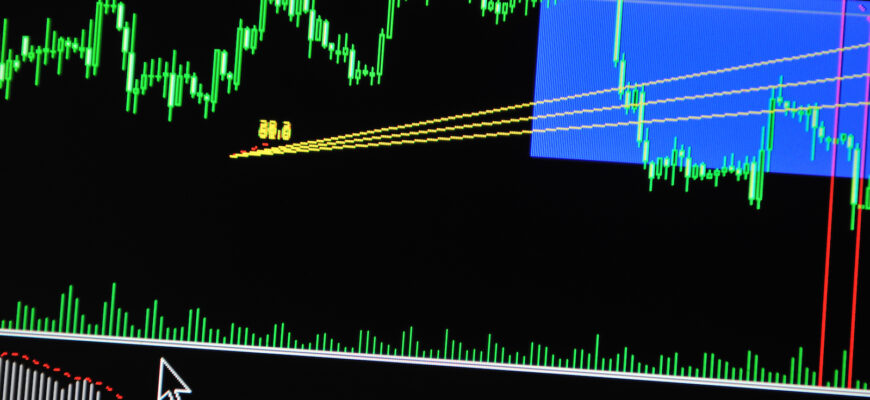
Slippage is one of those trading concepts that sounds technical but feels painfully real once it hits your P&L! You click Buy or Sell expecting one price.

Choosing the right trading account is one of those decisions that looks simple on the surface but can quietly shape your entire trading experience.